The natural environment of the site offers opportunities for:
Growing fruit and vegetables
Demonstration food gardens
Compost production
Bee-Keeping
Flower growing & wild areas
Outdoor Spaces
In line with Camphill ethos and sustainability practices, the land on the site is managed according to organic / biodynamic principles. There is a strong emphasis on using the land to support people’s health and wellbeing.
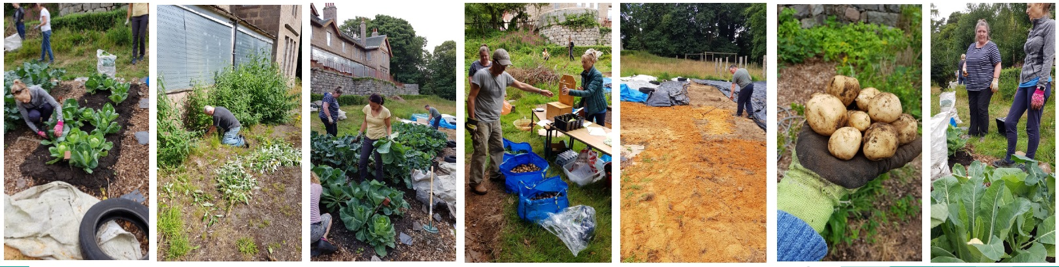
During Phase 1, we completed initial tidying up involving local community volunteers and people with learning disabilities from the local Camphill communities. This has continued throughout Phase 2 with an expanding volunteer group including those referred for social prescribing. The food planting area has been significantly increased using no-dig principles and a polytunnel installed for extending the growing season.
Professional input has been sought to plan appropriate management of the woodland areas and trees are being managed on an ongoing basis in line with this advice. Biodiversity of the woodland area is being increased through the planting of a variety of native tree and shrub species.
Aims
We plan to use the Outdoor Areas to demonstrate good practice in:
Organic/no dig land management
We do not use any pesticides or artificial fertilisers on the Compass site. We rely on our own composting and biodynamic methods to increase soil fertility.
Woodland management to support biodiversity
With professional input where required, we plan management of the woodland areas to increase biodiversity and natural habitats.
Using land to support health & wellbeing
Through our volunteering, employability and social prescribing services, we help people re-connect with nature and with themselves.
Education e.g. sustainable gardening, food growing
We pass on our knowledge through practical, hands-on experiences to a wide range of groups from primary schools through to corporate.
Accessible pathways through the site
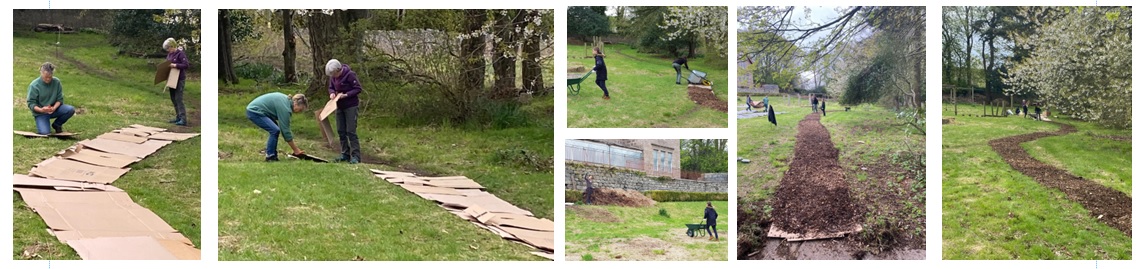
We have improved the pathways through the site by using recycled cardboard and wood chips supplied by local tree surgeons rather than energy-expensive concrete or slabbing wherever possible.
Uses
Growing Seasonal Produce
We have increased our organically-grown fruit and vegetable production from 0 kilograms in 2020 to XX kilograms in 2023. We plan to continue this expansion making healthy food available to the local community and to those in disadvantaged areas.
Demonstration No-Dig Beds
We use no-dig principles in our garden area and from 0m2 under food production in 2020, we have increased that to XXXm2 by September 2024 with XXXm2 undercover in our polytunnel.
Compost Production including wormeries
Our onsite compost production and wormeries are a main part of our sustainable, organic food production practices. We demonstrate to volunteers and visitors to the site how they can use these methods in a smaller scale at home for their own food production.
Bee-Keeping & Honey Production
We currently have 2-3 hives on site which are managed organically. We have increased our honey production from XX kg in 2023 to XXX in 2024. Our honey is cold-spun with no heat treatment preserving all the micro-nutrients in the honey. It is available through our Produce Pop-Up. We offer volunteers opportunities to learn about bee-keeping.
Flower Growing including Wild Areas
We aim to grow pollinator-friendly flower and bulb species onsite to provide a range of nectar and pollen from early to late in the season.
Woodland Management
Since 2020, we have planted an additional XX trees / shrubs of over XX different species. A number of these are fruit trees which, in time, will provide organically grown fruit for the local community.
Areas for Volunteers & Skills for Health participants
The outdoor area provides a wealth of different activities for our volunteers and Skills for Health participants. We have erected a polytunnel as a warmer space in the Autumn / Winter and have two volunteer huts which will be constructed to offer sheltered space and activities in the garden area by Winter 2024.